What does DDP mean on a quote from China, and what does it leave out?
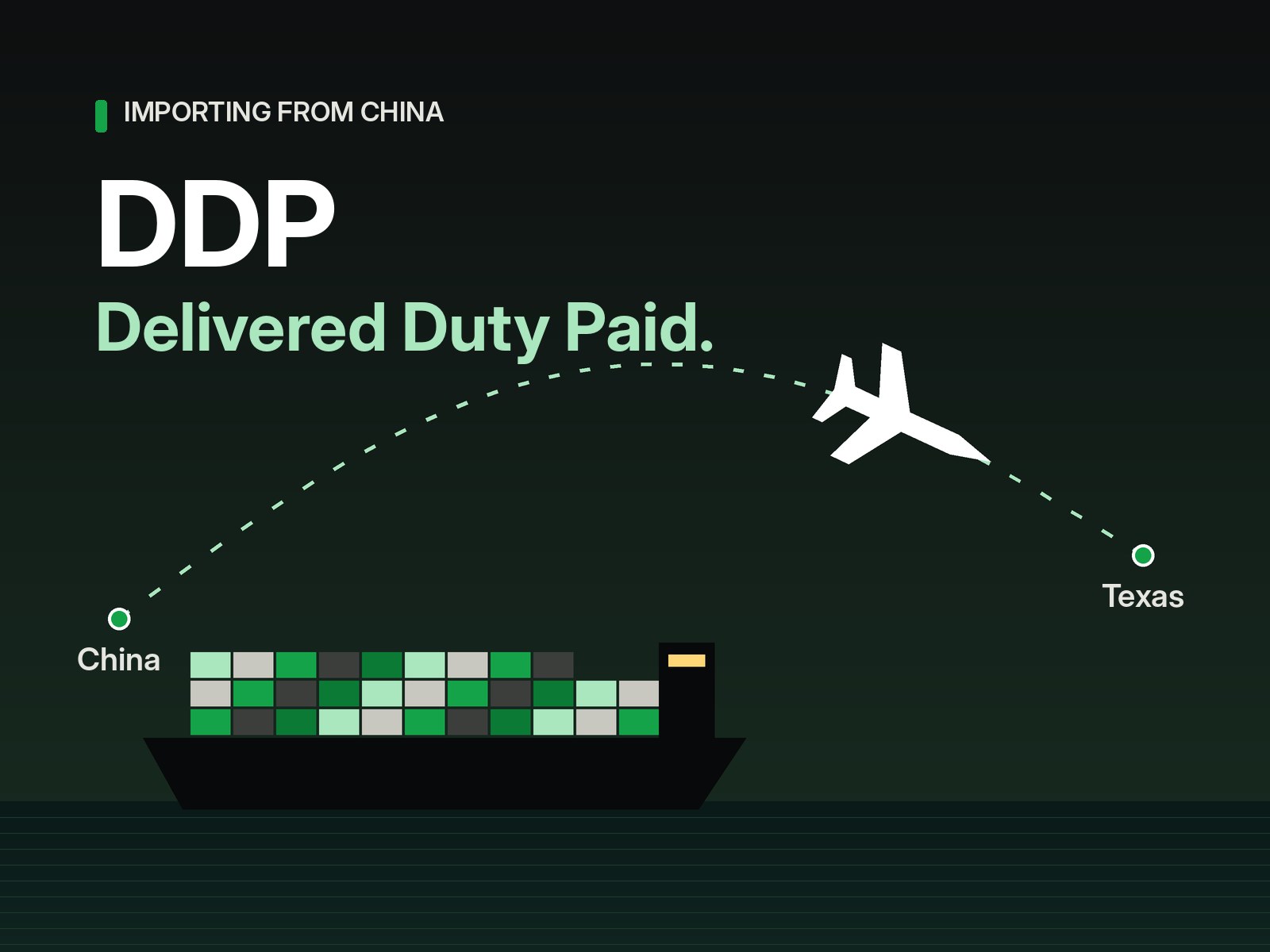
Open almost any quote from a factory in China and you will see three letters: DDP. To most buyers it reads as "door to door, duties included, nothing else to do." It means less than that, and what it leaves out is where a first import goes wrong.
What DDP actually means
DDP stands for Delivered Duty Paid. It is one of the eleven Incoterms rules published by the International Chamber of Commerce, the standard terms that say who pays for and who is at risk for each leg of an international shipment.
Under DDP, the seller carries the most responsibility of any Incoterms rule. The ICC Academy puts it plainly: the seller arranges and pays for transport for the entire journey, handles export and import formalities, and risk passes to the buyer "only when the goods reach the agreed destination." (ICC Academy)
The same article carries a warning: "A seller may face significant barriers to completing import formalities in a foreign destination country." In some countries a foreign company cannot do it at all. That is the first sign that a DDP quote from a factory in China has someone else in the middle.
Who US Customs holds responsible
US Customs does not deal with "the seller." It deals with the importer of record: the party that makes entry. Under 19 U.S.C. 1484, that party owes Customs two things: to make entry using reasonable care, and to give Customs what it needs to assess duty. (Great Lakes Customs Law)
Three points follow:
- Bad information from someone else is not an excuse. The reasonable-care duty is not excused because a supplier or a broker supplied the wrong value or code.
- A power of attorney does not move the liability. A broker can file in your name; the responsibility stays with the importer of record.
- Penalties can be large. Under 19 U.S.C. 1592, a gross-negligence penalty can reach up to four times the lost duty.
On a factory DDP quote, the importer of record is often the factory's forwarder, sometimes a company the buyer has never heard of. That can be legitimate. But the buyer should know who it is before the goods ship.
Why a DDP price can look too good
Chinese goods entering the US carry the ordinary duty for their classification, plus additional duties such as Section 301 and other tariffs that have changed several times in the past two years. Stacked together, they can come to more than a factory's entire DDP freight-and-duty number.
When the math doesn't add up, there are only a few explanations. The factory is absorbing part of the cost in its own margin. Or the goods are declared at a lower value, or under a cheaper classification, than they should be.
The second one is the problem. A China trade law firm, Harris Sliwoski, describes a US manufacturer whose machinery was seized after Customs "discovered the seller had underdeclared the value to reduce tariffs." The buyer had not known; it paid the investigation costs, legal fees and delay anyway. In another case, a fabric importer's shipments were flagged for unpaid duties, the supplier stopped answering, storage fees mounted, and the importer paid the duties itself to get its own inventory released. (Harris Sliwoski)
Customs is watching this more closely
- De minimis is gone for China. Since May 2, 2025, low-value Chinese goods no longer enter duty-free. The "under 800 dollars, no duty" route that small importers relied on is closed. (Sandler, Travis & Rosenberg)
- A June 2026 executive order directs Customs to vet importers of record more closely, tighten rules for foreign importers, set a minimum penalty floor, and focus enforcement on undervaluation, transshipment and duty evasion. (C.H. Robinson)
- From September 18, 2026, Customs may void an importer-of-record number whose registration details are inaccurate or incomplete. (Volt Freight)
None of this bans DDP. It means a DDP shipment is only as safe as the paperwork behind it.
What a DDP quote usually doesn't mention
- A customs bond. A commercial shipment over 2,500 dollars entered formally needs one. A single-entry bond covers one shipment; a continuous bond covers a year of entries. (AACB)
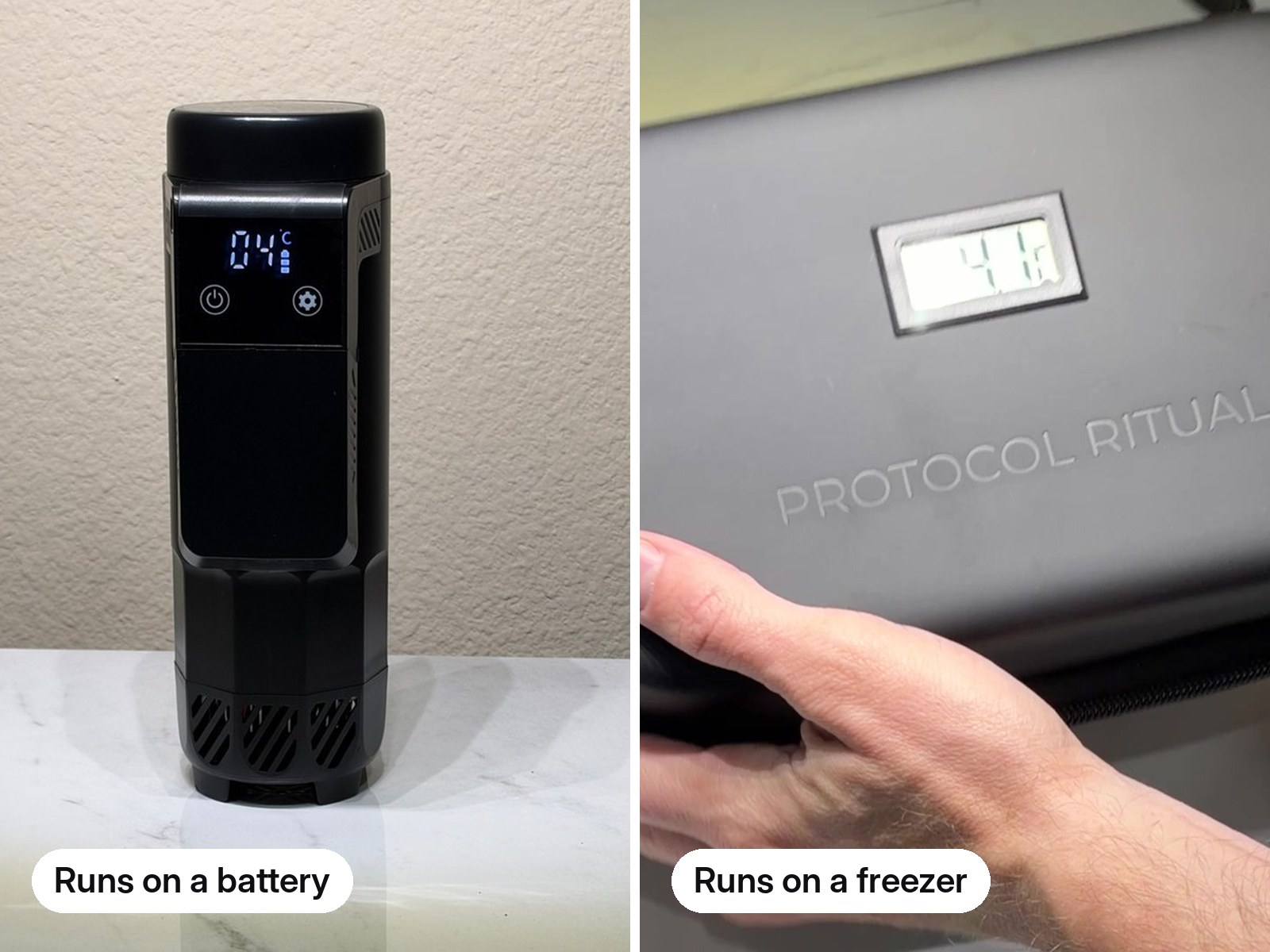
- Battery rules, if the product has one. Every lithium battery has to pass the UN38.3 design tests, and the maker and each distributor must make a test summary available under 49 CFR 173.185. (PHMSA) By air, batteries packed in equipment ship under their own packing and marking rules. (FAA) Without those papers, an airline can refuse the cargo.
- Inspection. A DDP price covers getting goods to you, not checking them before they leave.
- Exceptions. Customs exams, storage and redelivery are often billed separately, and often not mentioned until they happen.
- Timing. A DDP quote rarely accounts for factory holidays. Chinese New Year and the other dates that delay a run covers those.
What to ask before you accept one
Before any DDP shipment from China, get these in writing:
- Who is the importer of record? Name, and whose bond the entry is filed under.
- What classification and value will be declared? It should match the commercial invoice you paid.
- Which duties are included? Ordinary duty, Section 301, and any other additional duties.
- Will you receive the entry summary (CBP Form 7501) after the goods clear?
- Who pays for exams, storage and redelivery if Customs holds the shipment?
- For anything with a battery: where are the UN38.3 test summary and the safety data sheet?
If the answers are vague, or the price is far below what the duties alone should cost, that is the answer.
Why it matters to a clinic or telehealth brand
A held shipment doesn't just cost storage. It costs the launch date, the members who were promised a cooler in their first month, and the brand's name on a box that hasn't arrived. That is the reason most brands don't import their own member products: not because it can't be done, but because every one of the steps above lands on whoever is the importer of record.
We check who imports every run, have it inspected before it ships, and land it in Texas before it goes to a single member. How a custom product run works and Protocol Ritual for brands cover the rest.
This is general information, not legal advice. For your own shipments, confirm with a licensed customs broker.
Questions
What does DDP mean?
Delivered Duty Paid is an Incoterms rule from the International Chamber of Commerce. The seller arranges and pays for transport to the named destination and handles export and import clearance, including duties. Risk passes to the buyer only when the goods arrive.
Who is responsible to US Customs on a DDP shipment?
The importer of record. Under US law, that is the party that makes entry, and it owes Customs reasonable care in classifying and valuing the goods. The responsibility is not excused because a supplier or broker supplied the information. On a China DDP quote, ask in writing who the importer of record will be.
Why can a DDP price be cheaper than paying duties yourself?
Sometimes the supplier is absorbing part of the cost. Sometimes the goods are declared at a lower value or under a different classification than they should be. If Customs finds out, the shipment can be held or seized, and the investigation can reach the US buyer even if the buyer did not know.
Do I need a customs bond to import from China?
For a commercial shipment over 2,500 dollars entered formally, yes. A single-entry bond covers one shipment; a continuous bond covers every entry for a year. Duty-free de minimis treatment for Chinese goods ended on May 2, 2025.