What does it take to source custom-branded clinic supplies from China?

"We'll just source our own kits." Most clinic owners who say that have never seen the full list. Here it is, from the other side of having done it.
The six factories
A patient kit is not one product. It is six, each from a different kind of factory:
- EVA hardshell cases, with a foam tray cut to a drawing.
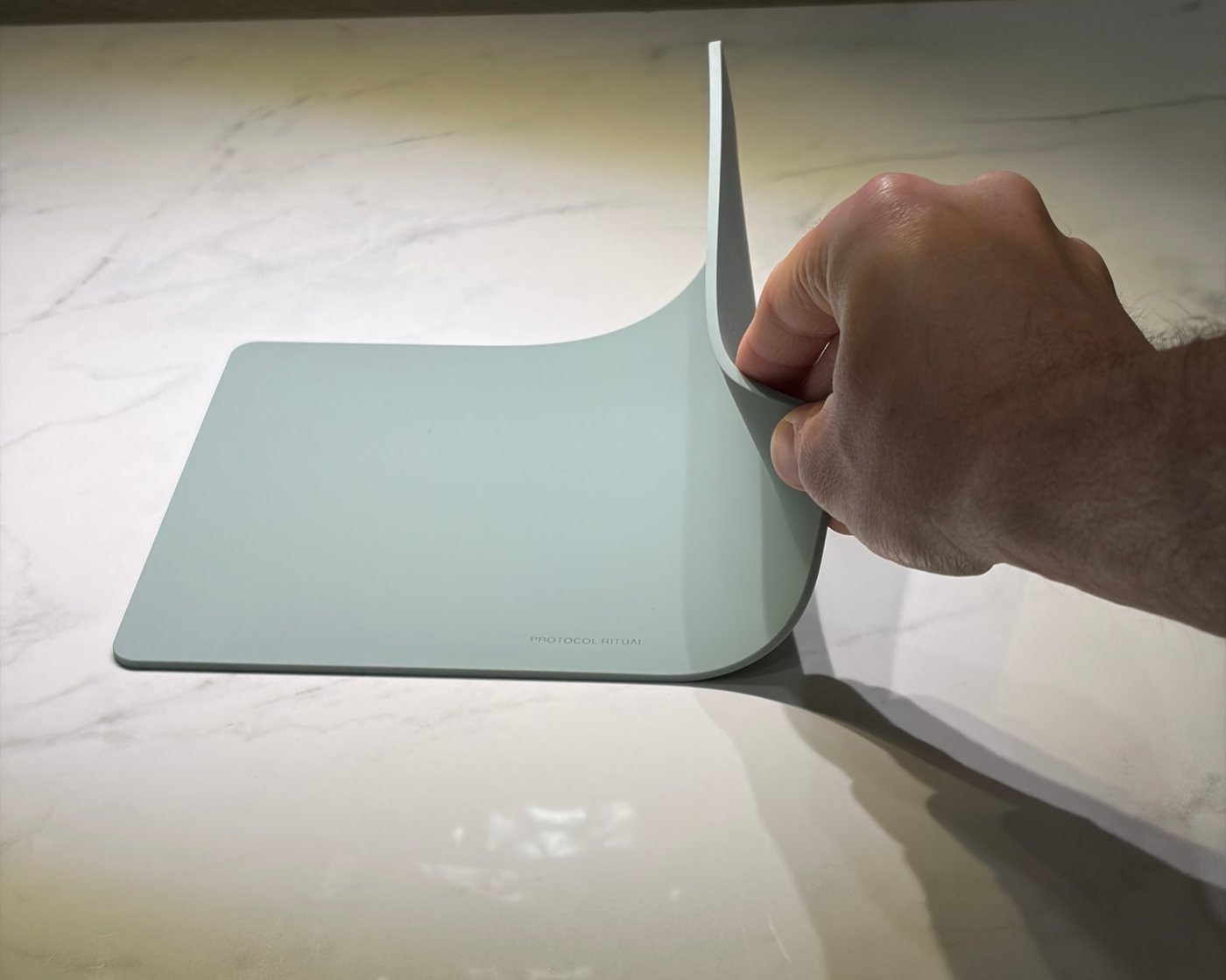
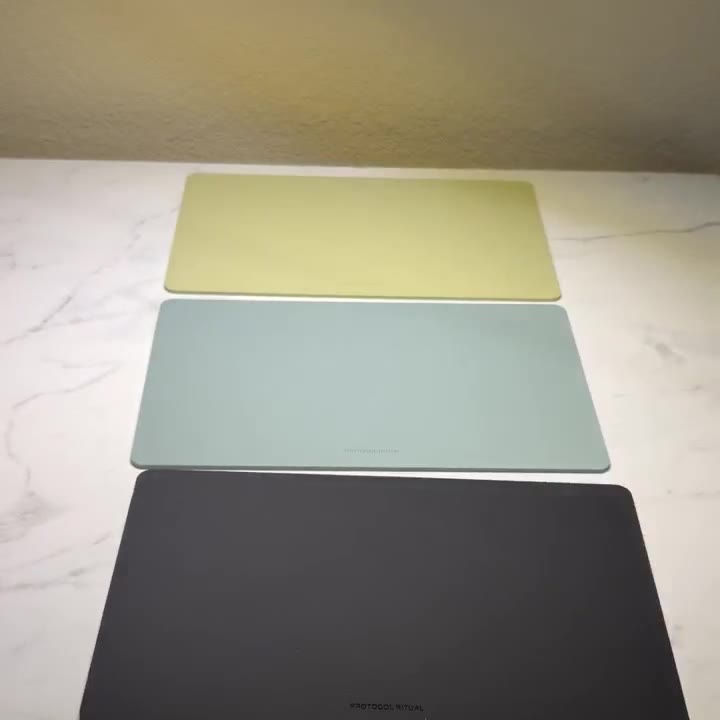
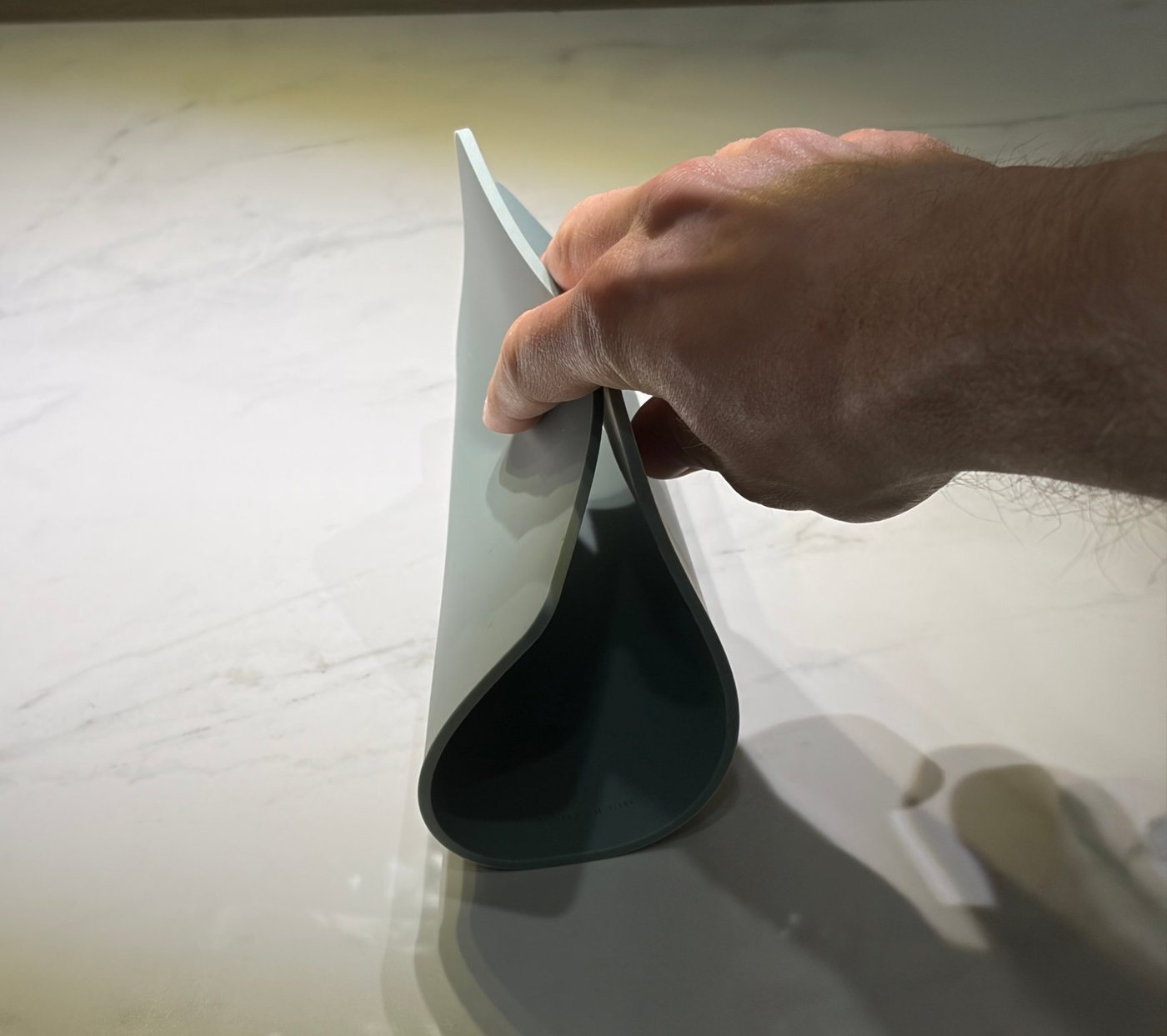
- Platinum-cured silicone, for the mat.
- Nonwoven and alcohol, for prep pads, with a pouch printer attached.
- Phase-change material and film, for the cold-chain pouches.
- Electronics, for the rechargeable cooler and the temperature logger.
- Printed packaging, for the box everything arrives in.
No single factory makes all six. Each has its own sales contact, its own sample process, its own order sizes and its own idea of a deadline.
Samples, and what they hide
A factory sample looks finished. It is not. Our first phase-change pouches arrived from China sweating through the plastic, slick every time you touched them. The fix is a fluorinated barrier film on the pouch. The factories would only add it at a price and a run size that didn't make sense for a clinic. We moved that piece to a US supplier instead: organically made, sourced domestically, no leaks.
That is one component. The case tray was redrawn after the first sample because the vial pockets were cut to the wrong depth. The mat colors were approved in person because the screen lied. The pad box slipped two months because the pad maker outsourced the printing.
Every one of those is a normal week in sourcing. None of them shows up in a catalogue photo.
Proofs on every surface
A clinic's mark goes on the lid, the mat, each pad pouch, the cooling pouches, the cooler body and the box. Each is a separate proof, in a separate file format, from a separate factory. Sign-off means checking all of them against each other so the mark matches across the kit.
Money, freight and customs
Overseas factories want paying before they start and again before they ship. Then:
- Choose air or sea. Air is fast and expensive; sea is slow and cheap, and both need booking.
- Clear customs. Someone has to classify the goods, file the entry and pay the duties.
- Receive the shipment. Count what arrived. Chase what didn't.
- Warehouse it, in the continental US, where it can be shipped to patients.
Then do it again
A reorder is not a repeat. Factories change staff, films, inks and prices between runs. The second run has to be proofed and sampled like the first, or it arrives different.
What a one-stop supplier does instead
A supplier that has already done all of the above holds the relationships, the drawings and the corrected specs. The clinic sends a logo and a list of what it dispenses. The supplier returns proofs, puts a sample in the clinic's hands, runs production, books freight, clears customs and delivers one finished run, duties paid, to the clinic's door.
That is the whole product: not the case or the mat, but the year of work that made them arrive correct.
Get a quote or read how a run works.
Questions
Can a clinic source its own branded kits directly from factories in China?
Yes, and some do. It takes six kinds of factory, several rounds of samples, logo proofs for every surface, upfront factory payments, freight booking, customs clearance and warehousing, and the whole cycle repeats at every reorder.
What goes wrong most often?
Samples that look right and fail in use. In our case, phase-change pouches arrived sweating through the film because the barrier treatment had been left out. Catching that takes a sample in hand, not a photo.
What does a one-stop supplier actually do?
Holds the factory relationships, proofs the mark on every surface, verifies samples, pays and books the freight, clears customs with duties paid, and delivers one finished run to the clinic's door.